Chemical Peels: Everything You Need to Know Before Your First Session
Healthy, glowing skin is something many people aspire to achieve. If you're dealing with acne, acne marks, pigmentation, uneven skin tone, or early signs of aging, your dermatologist may recommend a chemical peel. Despite the name, chemical peels are safe, dermatologist-performed procedures that can significantly improve skin texture and appearance when chosen appropriately.
What Is a Chemical Peel?
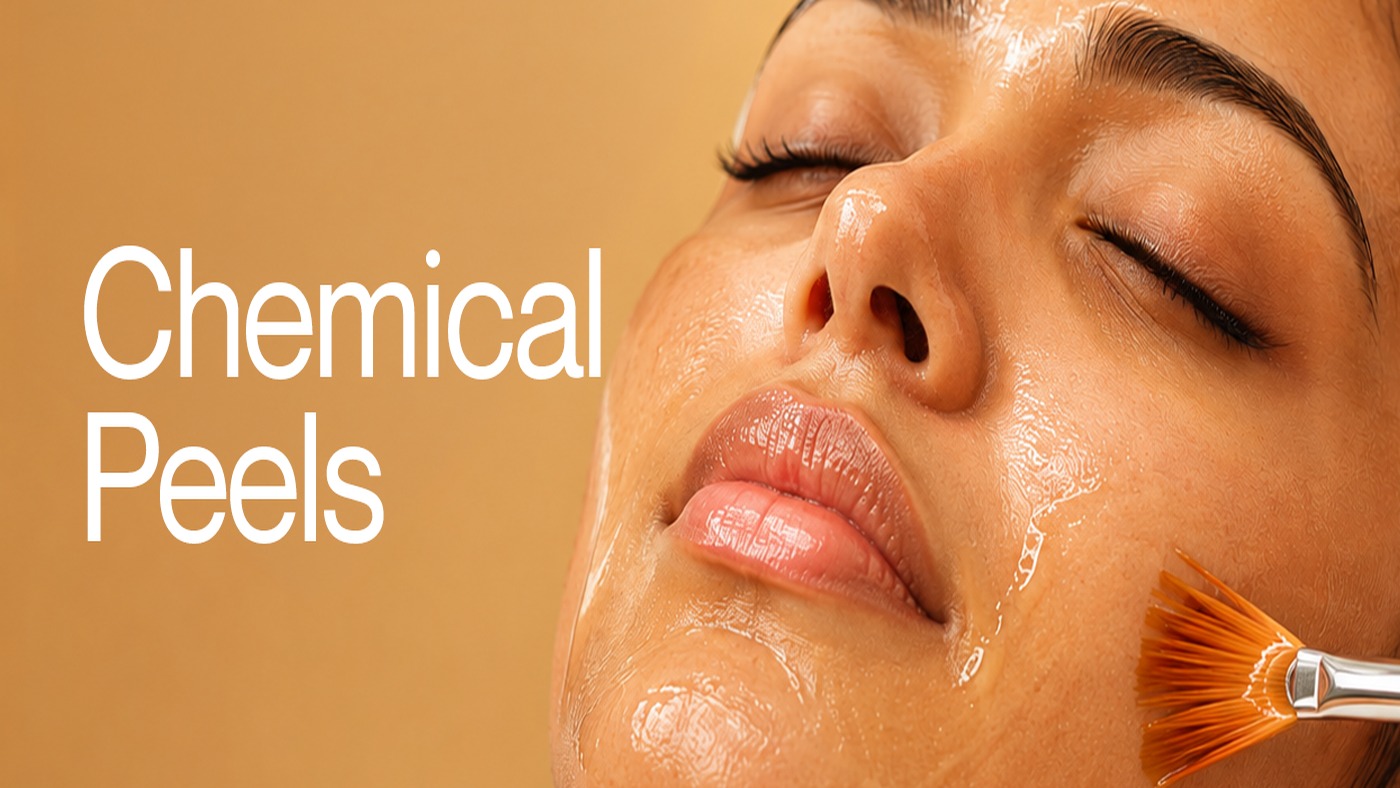
A chemical peel is a procedure in which a specially formulated solution is applied to the skin. This solution gently exfoliates the outer layers of the skin, allowing fresh, healthier skin to emerge. Depending on the type of peel, it can work at different depths to target specific skin concerns.
Who Can Benefit?
Chemical peels may be recommended for:
-
Acne and oily skin
-
Acne scars (certain types)
-
Pigmentation and melasma
-
Sun damage
-
Fine lines and dull skin
-
Uneven skin tone
-
Enlarged pores
Your dermatologist will determine whether a peel is suitable for your skin type and concerns.
Are Chemical Peels Painful?
Most superficial peels cause only mild tingling or a slight burning sensation for a few minutes. The discomfort is temporary and generally well tolerated.
Will My Skin Peel?
Not always. The amount of visible peeling depends on the type of peel used. Some people experience only mild flaking, while others may have more noticeable peeling over several days. Even if visible peeling doesn't occur, the treatment can still be effective.
How Many Sessions Are Needed?
Most skin concerns require a series of treatments rather than a single session. Typically, 4–6 sessions spaced 2–4 weeks apart may be recommended, although this varies based on your condition and treatment goals.
What Should I Do After the Procedure?
Proper aftercare is essential for the best results:
-
Apply sunscreen daily with SPF 30 or higher.
-
Use a gentle cleanser and moisturizer.
-
Avoid scrubbing or picking at peeling skin.
-
Skip harsh skincare products, such as retinoids or exfoliating acids, until advised by your dermatologist.
-
Follow all post-procedure instructions carefully.
Are Chemical Peels Safe?
When performed by a qualified dermatologist after proper skin evaluation, chemical peels are generally safe. However, using inappropriate peels or having them performed by untrained individuals can increase the risk of burns, pigmentation changes, or scarring.
Common Myths
Myth: Chemical peels make the skin thinner.
Fact: When performed correctly, chemical peels can support skin renewal and improve skin quality.
Myth: They are only for women.
Fact: Chemical peels can be used by both men and women.
Myth: You can get the same results with DIY peels.
Fact: At-home products are generally weaker than professional treatments and may be unsafe if misused.
Final Thoughts
Chemical peels are a versatile and effective treatment for many skin concerns, but they are not a one-size-fits-all solution. The right peel depends on your skin type, medical history, and treatment goals. A consultation with a dermatologist can help determine the most suitable approach and ensure safe, effective results.
Struggling with persistent concerns?
Book a bespoke 1-on-1 skin and cellular assessment with our leading clinical experts.